

In the dynamic world of tattooing, rotary tattoo machines have emerged as a revolutionary tool, offering precision, efficiency, and versatility. As a leading supplier of rotary tattoo machines, I often encounter inquiries about the maximum speed of these devices. This blog aims to delve into this topic, exploring the factors that influence the maximum speed of a rotary tattoo machine, and how it impacts the tattooing process.
Understanding Rotary Tattoo Machines
Before we discuss the maximum speed, it's essential to understand the basic principles of a rotary tattoo machine. Unlike traditional coil machines that use electromagnetic coils to drive the needle up and down, rotary tattoo machines utilize a rotating motor to achieve the same motion. This design offers several advantages, including smoother operation, less noise, and reduced vibration, making it a popular choice among professional tattoo artists.
Factors Influencing the Maximum Speed
The maximum speed of a rotary tattoo machine is not a fixed value; it can vary significantly depending on several factors. Here are some of the key factors that influence the maximum speed:
Motor Power
The power of the motor is one of the most critical factors determining the maximum speed of a rotary tattoo machine. A more powerful motor can generate more torque, allowing the machine to operate at higher speeds without losing performance. However, it's important to note that increasing the motor power also increases the heat generated by the machine, which can lead to overheating and damage if not properly managed.
Needle Configuration
The type and configuration of the needle used in the tattoo machine can also affect its maximum speed. Different needle sizes and groupings have different levels of resistance when penetrating the skin. For example, a larger needle or a needle grouping with more needles will require more force to move through the skin, which can limit the maximum speed of the machine.
Machine Design
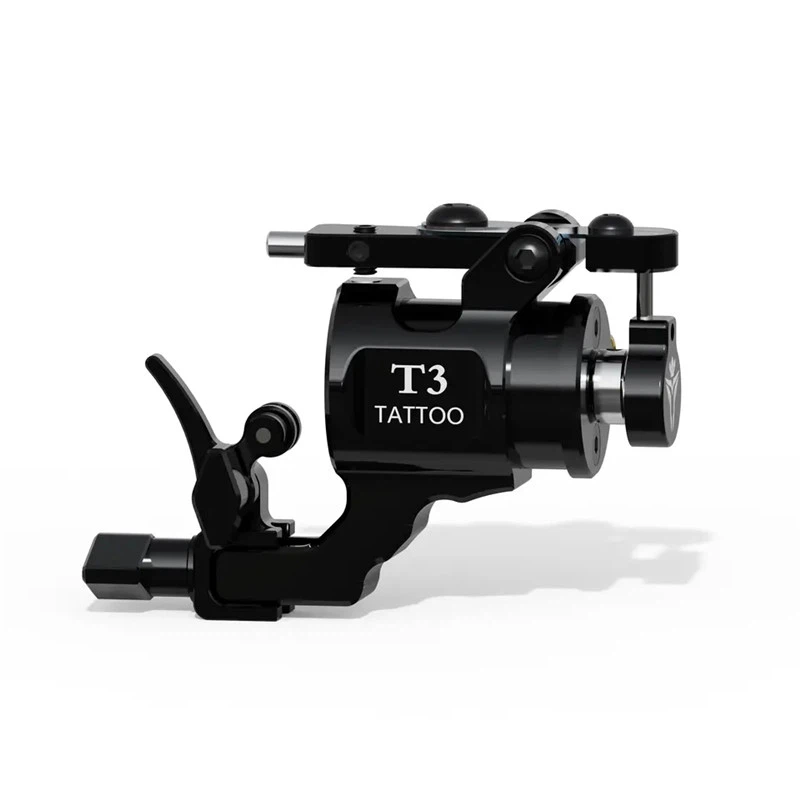
The design of the rotary tattoo machine plays a crucial role in its maximum speed. A well-designed machine will have a balanced and efficient mechanism that minimizes friction and maximizes the transfer of power from the motor to the needle. This includes factors such as the quality of the bearings, the alignment of the components, and the overall build quality of the machine.

Artist Skill and Preference
The skill and preference of the tattoo artist also play a role in determining the maximum speed at which a rotary tattoo machine is used. Experienced artists may be able to handle higher speeds more effectively, while others may prefer to work at lower speeds for greater control and precision. Additionally, different tattoo styles may require different speeds, so the artist's choice of speed will depend on the specific requirements of the tattoo being created.
Typical Maximum Speeds
The maximum speed of a rotary tattoo machine can vary widely depending on the factors mentioned above. In general, most rotary tattoo machines on the market have a maximum speed range of 5,000 to 10,000 RPM (revolutions per minute). However, some high-performance machines can reach speeds of up to 15,000 RPM or even higher.
It's important to note that the maximum speed of a machine is not necessarily the optimal speed for all tattooing applications. In fact, using a machine at its maximum speed all the time can lead to inconsistent results, excessive trauma to the skin, and a higher risk of complications. Instead, artists typically adjust the speed of the machine based on the specific needs of the tattoo, such as the type of ink, the depth of penetration, and the desired effect.
Impact of Speed on the Tattooing Process
The speed at which a rotary tattoo machine operates can have a significant impact on the tattooing process and the final result. Here are some of the key ways in which speed affects tattooing:
Linework
When creating linework, a higher speed can help to achieve clean, smooth lines with less bleeding and trauma to the skin. However, it's important to maintain a consistent speed and pressure to ensure that the lines are of uniform thickness and quality.
Shading and Color Packing
For shading and color packing, a lower speed is often preferred to allow the artist to have more control over the amount of ink being deposited into the skin. This can result in more even shading and a smoother transition between colors.
Healing Time
The speed at which a tattoo is applied can also affect the healing time. Using a higher speed can cause more trauma to the skin, which can lead to longer healing times and a higher risk of complications. On the other hand, using a lower speed can minimize the damage to the skin and promote faster healing.
Our Rotary Tattoo Machines
As a supplier of rotary tattoo machines, we offer a wide range of products designed to meet the needs of professional tattoo artists. Our machines are equipped with high-quality motors, precision needle configurations, and advanced cooling systems to ensure optimal performance and reliability.
One of our popular products is the Rotary Makeup Tattoo Machine. This machine is specifically designed for makeup tattooing, offering precise control and high-speed performance. It features a powerful motor and a lightweight design, making it easy to use for extended periods without fatigue.
Another great option is the PMU Rotary Tattoo Machine Gun. This machine is ideal for permanent makeup applications, such as eyebrow tattooing and eyeliner tattooing. It offers a wide range of speed settings, allowing artists to customize the machine to their specific needs.
For more general tattooing purposes, we also offer the Rotary Tattoo Machine Gun. This machine is known for its durability and versatility, making it a popular choice among professional tattoo artists. It features a high-torque motor and a smooth operation, ensuring consistent results at high speeds.
Contact Us for Purchase and Consultation
If you're interested in purchasing a rotary tattoo machine or have any questions about our products, we encourage you to [contact us](insert contact information here). Our team of experts is available to provide you with detailed information, answer your questions, and help you choose the right machine for your needs. We offer competitive prices, high-quality products, and excellent customer service, making us the ideal choice for professional tattoo artists.
References
- Smith, J. (2020). The Art and Science of Tattooing. New York: Tattoo Press.
- Johnson, A. (2019). Rotary Tattoo Machines: A Comprehensive Guide. London: Tattoo World Publications.
- Brown, C. (2018). Understanding the Mechanics of Tattoo Machines. Los Angeles: Tattoo Technology Journal.