

Hey there, tattoo enthusiasts and professionals! As a supplier of PMU Rotary Tattoo Machines, I often get asked about one crucial aspect: the ink flow rate of these nifty devices. So, let's dive right in and break down what the ink flow rate of a PMU Rotary Tattoo Machine is all about.

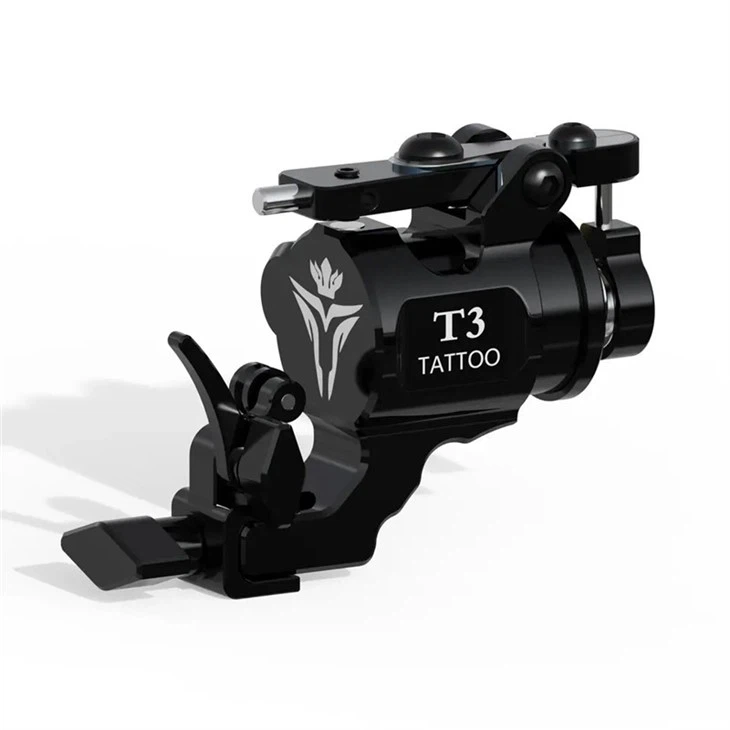
First things first, what exactly is a PMU Rotary Tattoo Machine? Well, it's a specialized piece of equipment designed for permanent makeup (PMU) procedures. You can check out more about it on our website here: PMU Rotary Tattoo Machine. These machines use a rotary motor to drive the needle up and down, providing a smooth and consistent motion for precise tattooing. They're also known as Permanent Makeup Rotary Tattoo Machine or Rotary Tattoo Machine Gun.
Now, let's talk about the ink flow rate. The ink flow rate refers to the amount of ink that is deposited into the skin during the tattooing process. It's a crucial factor that can greatly affect the quality and appearance of the final tattoo. A proper ink flow rate ensures that the tattoo is evenly pigmented, has good saturation, and looks vibrant.
There are several factors that can influence the ink flow rate of a PMU Rotary Tattoo Machine. One of the most important factors is the needle configuration. Different needle types and sizes have different ink flow characteristics. For example, a larger needle will generally allow for a greater ink flow compared to a smaller needle. The shape of the needle can also play a role. Round needles tend to have a more concentrated ink flow, while flat needles can provide a wider spread of ink.
Another factor is the machine's speed and power settings. The faster the machine operates, the more ink it can deposit in a given amount of time. However, it's important to find the right balance. If the machine is running too fast, it can cause the ink to splatter or the skin to become overworked, leading to a less than ideal result. On the other hand, if the machine is running too slow, the ink flow may be inconsistent, resulting in a patchy or faded tattoo.
The type of ink being used also affects the ink flow rate. Different inks have different viscosities, which can impact how easily they flow through the needle and into the skin. Thicker inks may require a slightly higher needle penetration or a more powerful machine to achieve the desired ink flow.
The skin type of the client is yet another consideration. Different skin types have different levels of porosity and elasticity. For example, oily skin tends to be more porous, which can allow for a faster ink flow. Dry skin, on the other hand, may require a bit more effort to ensure proper ink penetration.
As a supplier, we understand the importance of having a machine with a controllable and consistent ink flow rate. That's why our PMU Rotary Tattoo Machines are designed with advanced technology to allow for precise adjustments. Our machines come with adjustable speed and power settings, so you can fine-tune the ink flow according to your specific needs and the requirements of each tattooing job.
Let's take a closer look at how you can optimize the ink flow rate when using our PMU Rotary Tattoo Machine. First, make sure you choose the right needle for the job. Consider the design, the area of the body being tattooed, and the type of ink you'll be using. If you're working on a small, detailed design, a smaller needle may be more appropriate. For larger areas, a larger needle can help you cover more ground quickly.
Next, adjust the machine's speed and power settings. Start with a lower setting and gradually increase it until you find the sweet spot where the ink is flowing smoothly and evenly. Pay attention to how the machine feels in your hand and how the ink is being deposited into the skin. If you notice any splattering or inconsistent ink flow, make the necessary adjustments.
It's also important to keep the machine clean and well-maintained. A dirty or clogged needle can disrupt the ink flow and affect the quality of the tattoo. Regularly clean the needle and the machine according to the manufacturer's instructions to ensure optimal performance.
In addition to these tips, it's always a good idea to practice on a test area or a dummy skin before starting on a client. This will allow you to get a feel for the machine and the ink flow rate, and make any necessary adjustments before committing to the actual tattoo.
As a professional in the tattooing industry, you know that the quality of your work depends on having the right tools. Our PMU Rotary Tattoo Machines are designed to provide you with the best possible ink flow rate, allowing you to create stunning and long-lasting tattoos. Whether you're a beginner or an experienced artist, our machines are suitable for a wide range of tattooing techniques and styles.
If you're interested in learning more about our PMU Rotary Tattoo Machines or have any questions about the ink flow rate, don't hesitate to reach out. We're here to help you make the most of your tattooing experience. Whether you're looking to upgrade your current equipment or are just starting out in the industry, we can provide you with the information and support you need.
In conclusion, the ink flow rate of a PMU Rotary Tattoo Machine is a critical factor that can make or break the quality of a tattoo. By understanding the factors that influence ink flow and how to optimize it, you can ensure that your tattoos look their best. Our PMU Rotary Tattoo Machines are designed to give you the control and precision you need to achieve outstanding results. So, if you're in the market for a high-quality tattoo machine, consider our products. We're confident that you'll be impressed with the performance and reliability of our machines.
If you're ready to take your tattooing to the next level, contact us today to discuss your needs and explore our range of PMU Rotary Tattoo Machines. We look forward to working with you and helping you create amazing tattoos that your clients will love.
References
- Professional Tattooing: Techniques, Tools, and Artistry by Christopher Ruane
- The Complete Guide to Permanent Makeup by Susan C. Taylor