

Hey there, fellow tattoo enthusiasts! I'm a supplier of Tattoo Cartridge Needles, and today I want to dive deep into the crucial topic of disinfecting these essential tools. As you know, proper disinfection is not just a good practice; it's a must to ensure the safety and well - being of both tattoo artists and their clients.
First off, let's talk about why disinfection is so important. Tattoo needles come into direct contact with a person's skin, which means they can easily transmit bacteria, viruses, and other pathogens. If not properly disinfected, these needles can cause serious infections, allergic reactions, and other health issues. That's why we, as suppliers and artists, need to take this seriously.
Now, let's explore the different methods of disinfecting tattoo cartridges needles.
Autoclaving
Autoclaving is one of the most reliable methods for disinfecting tattoo needles. It uses high - pressure steam to kill all forms of microorganisms, including bacteria, viruses, and spores. The process involves placing the needles in a special autoclave machine, which heats the steam to a specific temperature and pressure for a set period of time.
Most autoclaves operate at a temperature of around 121°C (250°F) and a pressure of 15 pounds per square inch (psi) for at least 15 - 20 minutes. This is usually enough to completely sterilize the needles. One of the great things about autoclaving is that it's a proven method, backed by scientific research. It's widely used in medical and dental settings, and it's also the gold standard for tattoo needle disinfection.
However, there are a few things to keep in mind when using an autoclave. First, you need to make sure the needles are properly cleaned before autoclaving. Any debris or blood on the needles can prevent the steam from reaching all surfaces, which may result in incomplete sterilization. Second, you need to follow the manufacturer's instructions for the autoclave machine carefully. Incorrect settings or usage can lead to ineffective disinfection.
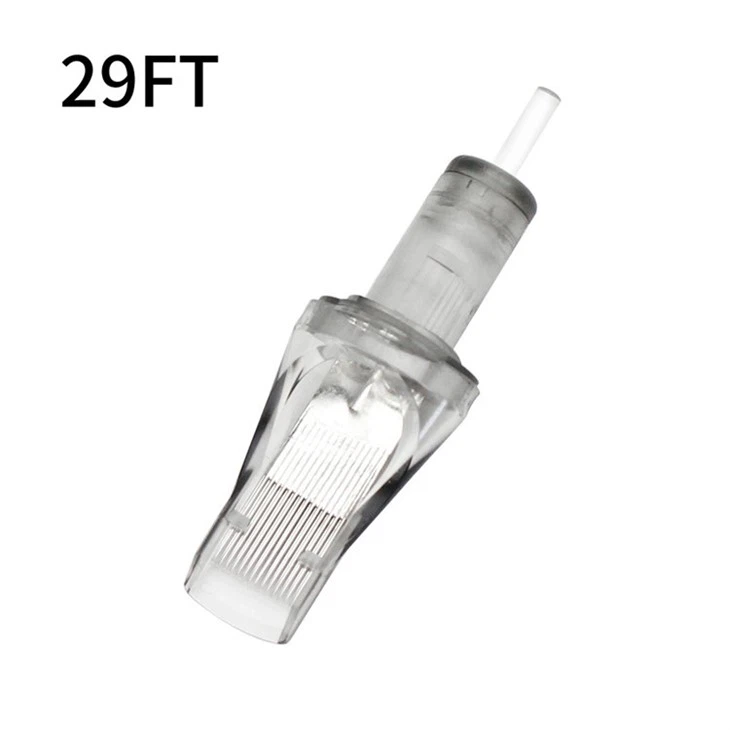

Chemical Disinfection
Another option for disinfecting tattoo cartridges needles is chemical disinfection. There are several types of chemical disinfectants available on the market, including alcohol, hydrogen peroxide, and glutaraldehyde.
Alcohol, such as isopropyl alcohol, is a commonly used disinfectant. It's relatively inexpensive and easy to use. You can soak the needles in a solution of 70% - 90% isopropyl alcohol for at least 10 - 15 minutes. Alcohol works by denaturing the proteins in the microorganisms, which kills them. However, alcohol may not be effective against all types of microorganisms, especially spores.
Hydrogen peroxide is another popular disinfectant. It's a strong oxidizing agent that can kill a wide range of bacteria, viruses, and fungi. You can soak the needles in a 3% hydrogen peroxide solution for about 30 minutes. Hydrogen peroxide breaks down into water and oxygen, which makes it a relatively safe and environmentally friendly option.
Glutaraldehyde is a more powerful disinfectant that can kill spores as well as other microorganisms. However, it's also more toxic and requires special handling. You need to wear gloves and work in a well - ventilated area when using glutaraldehyde. The needles should be soaked in a glutaraldehyde solution for at least 20 - 30 minutes.
One of the drawbacks of chemical disinfection is that it may not be as effective as autoclaving in killing all types of microorganisms. Also, some chemicals can damage the needles over time, which may affect their performance.
UV Sterilization
UV sterilization is a relatively new method for disinfecting tattoo cartridges needles. It uses ultraviolet light to kill microorganisms by damaging their DNA. The process involves placing the needles in a UV sterilization box, which emits UV light for a set period of time.
UV sterilization is a convenient and quick method. It can usually sterilize the needles in about 10 - 15 minutes. However, UV light may not be able to reach all surfaces of the needles, especially if they are stacked or placed close together. Also, UV light can be harmful to the eyes and skin, so you need to be careful when using a UV sterilization box.
Best Practices for Disinfection
No matter which method you choose, there are some best practices that you should follow to ensure proper disinfection of tattoo cartridges needles.
First, always clean the needles thoroughly before disinfection. You can use a mild soap and water to remove any debris, blood, or ink from the needles. Rinse the needles well and dry them completely before proceeding with the disinfection process.
Second, use fresh disinfectant solutions every time. Old or contaminated disinfectant solutions may not be effective in killing microorganisms.
Third, follow the recommended contact time for the disinfection method you're using. Don't rush the process, as this may result in incomplete disinfection.
Fourth, store the disinfected needles in a clean and dry place. You can use sterile containers or bags to keep the needles protected until they are ready to be used.
As a supplier of Tattoo Cartridge Needles, I understand the importance of providing high - quality, properly disinfected needles. We offer a wide range of Big Size Tattoo Needle Cartridges and Large Size Tattoo Needle Cartridges that are made from high - quality materials and are designed to be easily disinfected.
If you're in the market for tattoo cartridges needles, I encourage you to get in touch with us. We're always happy to answer your questions and help you find the right products for your needs. Whether you're a professional tattoo artist or just starting out, we have the expertise and the products to support you.
In conclusion, proper disinfection of tattoo cartridges needles is essential for the safety and health of everyone involved in the tattooing process. Autoclaving is the most reliable method, but chemical disinfection and UV sterilization can also be effective if used correctly. By following the best practices and choosing high - quality needles, you can ensure a safe and successful tattooing experience.
References
- Block, S. S. (2001). Disinfection, Sterilization, and Preservation. Lippincott Williams & Wilkins.
- Rutala, W. A., & Weber, D. J. (2004). Uses of disinfectants in healthcare. American Journal of Infection Control, 32(2), S65 - S71.
- Spaulding, E. H. (1968). Chemical disinfection and antisepsis in the hospital. Hospital Practice, 3(11), 51 - 60.