

As a supplier of Tattoo Needle Cartridges, I've been involved in the tattoo industry for quite some time. One of the most frequently asked questions from tattoo artists, whether they are beginners or seasoned pros, is about the best angle to hold a tattoo machine with a needle cartridge. This seemingly simple question has a significant impact on the quality of the tattoo, the comfort of the client, and the overall efficiency of the tattooing process.
Understanding the Basics of Tattoo Needle Cartridges
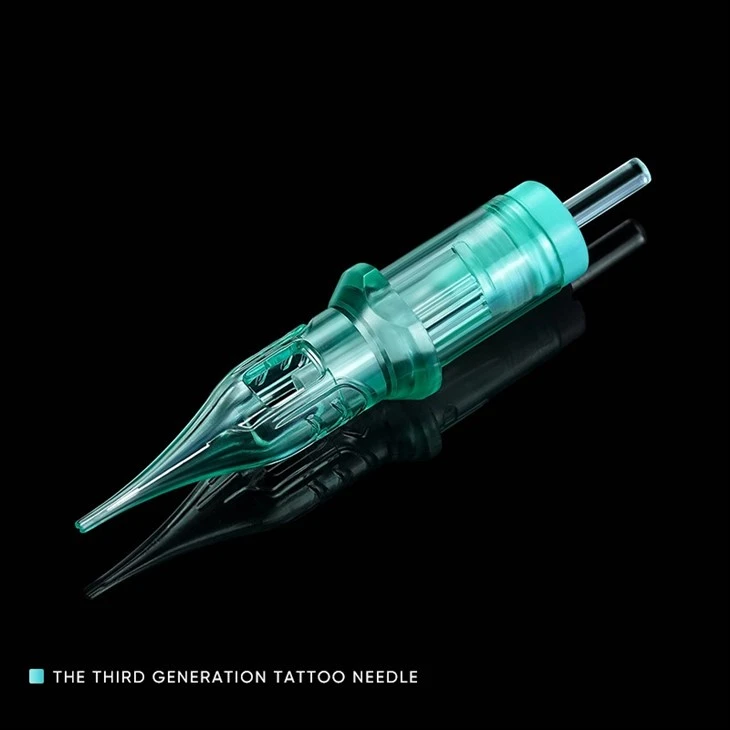
Before delving into the optimal angle, it's essential to understand the different types of tattoo needle cartridges we offer. Our product range includes Membrane Tattoo Cartridge Needle, which are designed with a unique membrane system that helps in controlling the ink flow and reducing the risk of cross - contamination. We also provide Sterilized Tattoo Needle Cartridges, ensuring the highest level of hygiene for both the artist and the client. For those looking for customized solutions, our OEM Tattoo Needle Cartridges allow artists to have needles tailored to their specific needs.
The Importance of the Angle
The angle at which you hold the tattoo machine with a needle cartridge affects several aspects of the tattooing process. Firstly, it impacts the depth of the needle penetration into the skin. If the angle is too steep, the needle may go too deep, causing excessive trauma to the skin, increased pain for the client, and a higher risk of scarring. On the other hand, if the angle is too shallow, the ink may not be deposited at the correct depth, resulting in a faded or patchy tattoo.
Secondly, the angle affects the spread of the ink. A proper angle ensures that the ink is evenly distributed across the skin, creating a smooth and consistent tattoo. Incorrect angles can lead to uneven ink distribution, with some areas being darker or lighter than others.

Factors Influencing the Optimal Angle
Several factors come into play when determining the best angle to hold a tattoo machine with a needle cartridge.
Skin Type
Different skin types require different angles. For example, on thin and delicate skin, a shallower angle (around 30 - 45 degrees) is often recommended. This is because thin skin is more sensitive and prone to damage, and a shallower angle reduces the risk of over - penetration. In contrast, on thicker skin, a steeper angle (around 45 - 60 degrees) may be necessary to ensure that the ink reaches the correct depth.
Tattoo Design
The type of tattoo design also influences the angle. For fine lines and detailed work, a shallower angle is usually preferred. This allows for more precise control over the needle, making it easier to create clean and sharp lines. When filling in large areas or shading, a steeper angle can be more effective as it allows for a greater amount of ink to be deposited quickly.
Needle Configuration
The configuration of the needle cartridge matters as well. For instance, round liner cartridges are commonly used for creating lines. They typically work best at a shallower angle to ensure clean and consistent lines. Magnum cartridges, which are used for shading and coloring large areas, often require a steeper angle to cover more surface area efficiently.
Recommended Angles for Different Tattooing Techniques
Lining
When lining, a general rule of thumb is to hold the tattoo machine at an angle between 30 and 45 degrees. This angle allows the needle to create a clean and sharp line. As you move the machine along the skin, maintain a consistent angle to ensure that the line has a uniform thickness. For very fine lines, you may even want to start at a slightly shallower angle, around 30 degrees, and adjust as needed.
Shading
Shading usually requires a steeper angle, typically between 45 and 60 degrees. At this angle, the needle can deposit more ink over a larger area, creating a smooth and even shading effect. When using a magnum needle cartridge for shading, the steeper angle helps to cover the area quickly and efficiently. However, it's important to be careful not to go too deep, especially when working on sensitive areas.
Coloring
Coloring large areas is similar to shading in terms of the recommended angle. A steeper angle (45 - 60 degrees) is often used to ensure that the color is evenly distributed and saturates the skin. You may need to make multiple passes with the needle cartridge to achieve the desired color intensity, adjusting the angle slightly if necessary to cover any missed spots.
Tips for Maintaining the Correct Angle
Maintaining the correct angle throughout the tattooing process can be challenging, especially for beginners. Here are some tips to help you keep the optimal angle:

- Practice on Fake Skin: Before working on a real client, practice your tattooing technique on fake skin. This allows you to experiment with different angles and get a feel for how the needle behaves at each angle.
- Use a Stable Grip: A stable grip on the tattoo machine is crucial for maintaining the correct angle. Hold the machine firmly but not too tightly, and keep your hand steady as you move it across the skin.
- Pay Attention to the Needle Entry: Watch how the needle enters the skin. If it's not entering at the correct angle, adjust your hand position accordingly. You can also use a mirror to get a better view of the needle entry point.
Conclusion
In conclusion, there is no one - size - fits - all answer to the question of the best angle to hold a tattoo machine with a needle cartridge. The optimal angle depends on various factors such as skin type, tattoo design, and needle configuration. By understanding these factors and practicing different angles on fake skin, tattoo artists can achieve the best results for their clients.
If you are a tattoo artist looking for high - quality tattoo needle cartridges, we invite you to explore our range of products. Whether you need Membrane Tattoo Cartridge Needle, Sterilized Tattoo Needle Cartridges, or OEM Tattoo Needle Cartridges, we have the solutions to meet your needs. Contact us to start a discussion about your procurement requirements and take your tattooing to the next level.
References
- "The Complete Guide to Tattooing" by John Smith
- "Advanced Tattoo Techniques" by Emily Brown
- Industry research reports on tattooing best practices