

When it comes to beginner tattoo kits, one crucial aspect that often gets overlooked is the choice of disinfectants. As a supplier of Beginner Tattoo Kits, I understand the importance of providing not only high - quality tattooing equipment but also guidance on the proper use of disinfectants. This ensures the safety and well - being of both the tattoo artist (especially beginners) and the client.
The Importance of Disinfection in Tattooing
Tattooing involves breaking the skin, which creates an open wound that is susceptible to infections. Bacteria, viruses, and other pathogens can easily enter the body through these openings. Therefore, disinfection is not just a good practice; it is a necessity. Proper disinfection helps prevent the spread of diseases such as hepatitis B and C, HIV, and various skin infections. For beginners, using the right disinfectants is even more important as they are still learning the ropes of maintaining a sterile environment.
Types of Disinfectants Suitable for Beginner Tattoo Kits
Alcohol - Based Disinfectants
Alcohol is one of the most commonly used disinfectants in the tattoo industry. Isopropyl alcohol, typically in concentrations of 70% to 90%, is highly effective in killing a wide range of bacteria and some viruses. It works by denaturing the proteins in the microorganisms, effectively destroying them.
One of the advantages of alcohol - based disinfectants is their quick evaporation. This means that they dry rapidly, reducing the risk of leaving behind any residue on the tattoo equipment. Beginners will find this convenient as it allows them to quickly move on to the next step of the tattooing process. For example, before using a tattoo needle from the Complete Tattoo Kit for Beginner, a quick wipe with an alcohol - soaked cotton ball can help ensure the needle is disinfected.
However, alcohol has its limitations. It may not be effective against all types of pathogens, such as bacterial spores. Also, prolonged use of alcohol can cause drying and irritation to the skin. When using alcohol to disinfect the skin before tattooing, it's important to follow up with a skin - friendly moisturizer to prevent excessive dryness.
Chlorhexidine Gluconate
Chlorhexidine gluconate is another popular disinfectant in the tattooing world. It has broad - spectrum antimicrobial activity, meaning it can kill a wide variety of bacteria, fungi, and some viruses. It works by binding to the cell membranes of microorganisms, disrupting their structure and function.
One of the key benefits of chlorhexidine gluconate is its long - lasting effect. Once applied, it continues to provide antimicrobial protection for several hours. This is particularly useful during a long tattoo session. Beginners can use it to disinfect the skin area before starting the tattoo and also to clean the tattoo machine periodically during the process. For instance, when using the equipment from the Complete Two Machine Tattoo Kit for Beginner, chlorhexidine gluconate can be used to wipe down the machines to maintain a sterile environment.
Chlorhexidine gluconate is generally well - tolerated by the skin, but in some cases, it may cause allergic reactions. Beginners should perform a patch test on a small area of the skin before using it on a larger area.
Hydrogen Peroxide
Hydrogen peroxide is a well - known disinfectant that is often used in first - aid situations. It works by releasing oxygen when it comes into contact with organic matter, which can kill bacteria and other microorganisms.
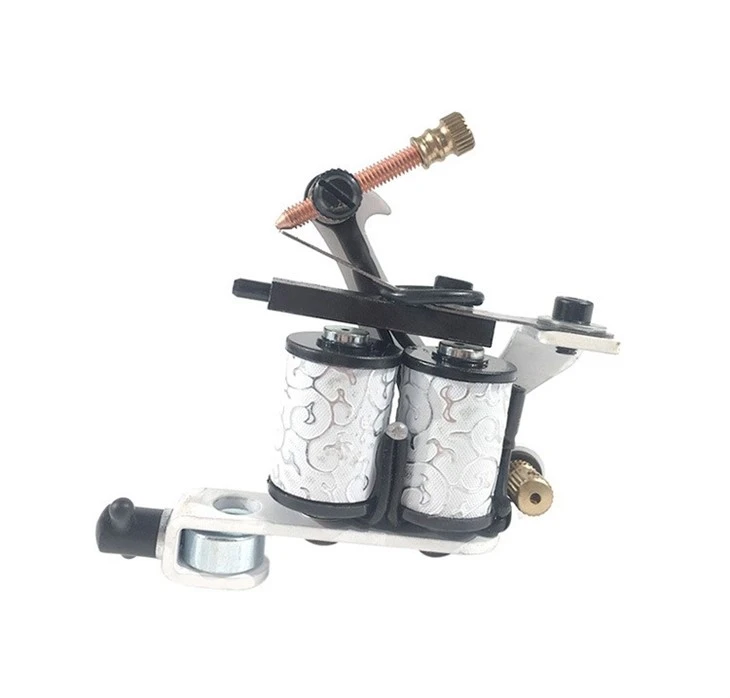

It is relatively inexpensive and readily available, making it a popular choice for beginners. Hydrogen peroxide can be used to disinfect the tattoo needles and other small equipment. However, it can be quite harsh on the skin, and prolonged use can cause skin irritation. It's important to use it in the correct concentration (usually 3% is recommended for general disinfection purposes) and to rinse the area thoroughly after use.
How to Use Disinfectants Properly
Disinfecting Tattoo Equipment
Before using any equipment from the beginner tattoo kit, it should be properly disinfected. For metal components such as tattoo needles and tips, they can be soaked in a disinfectant solution for the recommended amount of time. For example, if using alcohol, a 10 - 15 - minute soak can be effective. After soaking, the equipment should be rinsed with sterile water and dried with a clean, disposable towel.
For tattoo machines, a gentle wipe with a disinfectant - soaked cloth is usually sufficient. Be careful not to get the electrical components wet, as this can damage the machine.
Disinfecting the Skin
The skin area to be tattooed should be thoroughly cleaned and disinfected. First, wash the area with mild soap and water to remove any dirt and debris. Then, apply the chosen disinfectant, such as alcohol or chlorhexidine gluconate, using a cotton ball or pad. Gently wipe the area in a circular motion, starting from the center and moving outward.
Storage and Handling of Disinfectants
Proper storage of disinfectants is essential to maintain their effectiveness. They should be stored in a cool, dry place away from direct sunlight. Most disinfectants have an expiration date, and it's important to check this regularly and discard any expired products.
When handling disinfectants, always wear gloves to protect your skin. Some disinfectants can be corrosive or cause skin irritation, so it's important to take precautions.
Conclusion
As a beginner in the tattooing world, choosing the right disinfectants is crucial for ensuring a safe and successful tattooing experience. Alcohol - based disinfectants, chlorhexidine gluconate, and hydrogen peroxide are all viable options, each with its own advantages and limitations. By understanding how to use these disinfectants properly and taking the necessary precautions, beginners can minimize the risk of infections and provide a high - quality tattooing service.
If you are interested in purchasing our Beginner Tattoo Kits or have any questions about the products and the use of disinfectants, we welcome you to contact us for further discussion and procurement negotiations. We are committed to providing you with the best products and support for your tattooing journey.
References
- Centers for Disease Control and Prevention (CDC). Guidelines for infection control in tattooing establishments.
- American Academy of Dermatology. Safe tattooing practices and disinfection.
- Journal of Clinical Microbiology. Studies on the effectiveness of different disinfectants against tattoo - related pathogens.