

Hey there! I'm a supplier of Rotary Tattoo Machine Guns, and I know these machines inside out. While I'm all about promoting the great features of these tools, it's also important to be honest and talk about the disadvantages. So, let's dive right in and take a look at what might not be so great about Rotary Tattoo Machine Guns.
Noise Levels
One of the first things you'll notice when using a Rotary Tattoo Machine Gun is the noise. These machines can be pretty loud, especially when compared to some other types of tattoo machines. The constant buzzing can be a real turn - off for both the tattoo artist and the client. For the artist, it can be tiring to work with a noisy machine for long hours. It might even lead to headaches or ear fatigue over time. And for the client, the noise can add to the overall stress and anxiety of getting a tattoo. Nobody wants to sit through a long session with a loud, buzzing machine right next to their ear.
Limited Precision
Another drawback is the limited precision that Rotary Tattoo Machine Guns sometimes offer. While they're great for covering large areas quickly, when it comes to fine details and intricate designs, they might not be the best choice. The rotary mechanism can make it a bit harder to control the needle movement with extreme accuracy. For example, if you're trying to create a very delicate line or a detailed portrait, you might find that the machine doesn't give you the level of control you need. This can be frustrating for artists who specialize in detailed work.
Heat Generation
Rotary Tattoo Machine Guns tend to generate a fair amount of heat during operation. This is due to the continuous movement of the internal components. The heat can be a problem in several ways. First of all, it can make the machine uncomfortable to hold for long periods. Artists might find their hands getting sweaty and slippery, which can affect their grip and control. Secondly, the heat can also have an impact on the ink and the skin. Excessive heat can cause the ink to dry out too quickly, leading to uneven color distribution. And on the skin, it can increase the risk of irritation and inflammation.
Maintenance Requirements
These machines require regular maintenance to keep them in good working condition. The rotary parts need to be lubricated and cleaned frequently to prevent wear and tear. If not maintained properly, the machine can start to malfunction. For example, the needle might not move smoothly, or the motor could start to make strange noises. This means that artists need to spend time and money on maintenance supplies and might even need to take the machine to a professional for repairs. It's an added hassle that some artists might not want to deal with.
Cost
Let's talk about cost. Rotary Tattoo Machine Guns are generally more expensive than some other types of tattoo machines. The initial investment can be quite high, especially if you're just starting out as a tattoo artist. And then there are also the ongoing costs of maintenance and replacement parts. For small tattoo studios or independent artists on a tight budget, this can be a significant barrier. It might take a while to recoup the cost of the machine through tattooing jobs.
Learning Curve
For new tattoo artists, there can be a bit of a learning curve when it comes to using a Rotary Tattoo Machine Gun. The way the machine operates is different from other types of machines, and it takes some time to get used to the feel and control. Beginners might find it difficult to achieve consistent results at first. They might need to practice a lot to master the machine and be able to use it effectively. This can be discouraging for those who are just starting their tattooing careers.
Over - penetration Risks
There's also a risk of over - penetration with Rotary Tattoo Machine Guns. The high - speed movement of the needle can sometimes cause it to go too deep into the skin. This can lead to a variety of problems, such as scarring, excessive bleeding, and longer healing times. It's important for artists to be very careful when using these machines to avoid over - penetration. But even experienced artists can make mistakes, and the risk is still there.
Compatibility Issues
Some Rotary Tattoo Machine Guns might have compatibility issues with certain types of needles and cartridges. This can limit the options available to artists. For example, if you've found a particular brand of needles that you really like, but they don't work well with your rotary machine, you might have to switch to a different brand. This can be inconvenient and might also affect the quality of your work.
Limited Speed Adjustability
In some cases, the speed adjustability of Rotary Tattoo Machine Guns can be limited. While most machines do offer some level of speed control, the range might not be as wide as you'd like. This can be a problem if you need to adjust the speed for different types of work. For example, if you're doing a light shading job, you might want a slower speed, but the machine might not go slow enough. Or if you're covering a large area quickly, the maximum speed might not be fast enough.
Dependency on Power Source
These machines are usually powered by electricity, which means they're dependent on a power source. If there's a power outage during a tattoo session, it can be a major problem. The artist has to stop working, and the client might have to reschedule. It also means that you're limited to working in places where there's a reliable power supply. This can be a hassle if you want to do mobile tattooing or work in outdoor settings.
Impact on Skin Sensitivity
The way Rotary Tattoo Machine Guns operate can have a greater impact on skin sensitivity. The continuous and relatively forceful movement of the needle can cause more trauma to the skin compared to some other types of machines. This can be a concern for clients with sensitive skin. They might experience more pain, redness, and swelling after the tattooing process. It can also take longer for the skin to heal, which can be a drawback for both the client and the artist.
Limited Customization
When it comes to customization, Rotary Tattoo Machine Guns might not offer as many options as some other machines. You might be limited in terms of the needle configurations, the grip styles, and the overall look of the machine. This can be a problem for artists who like to personalize their tools to suit their specific needs and preferences.
Environmental Impact
The production and disposal of Rotary Tattoo Machine Guns can have an environmental impact. The materials used in the machines, such as plastic and metal, require energy and resources to produce. And when the machines reach the end of their lifespan, they need to be disposed of properly. If not, they can contribute to landfill waste. This is something that's becoming increasingly important for many artists and consumers who are concerned about the environment.
Conclusion
So, there you have it - the disadvantages of Rotary Tattoo Machine Guns. While they have their advantages, like fast coverage and durability, it's important to be aware of these drawbacks. As a supplier, I understand that these issues might be a concern for some artists. But don't let them scare you off completely. Many artists still use Rotary Tattoo Machine Guns successfully and are able to work around these problems.
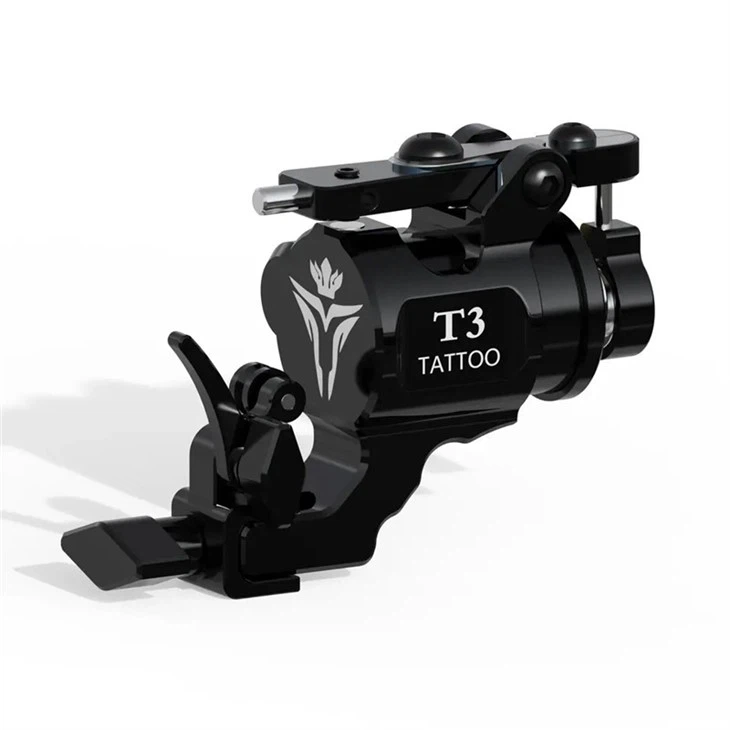

If you're interested in learning more about Rotary Makeup Tattoo Machine or PMU Rotary Tattoo Machine Gun, or if you're thinking about purchasing a Rotary Tattoo Machine Gun, I'm here to help. Feel free to reach out and we can have a chat about how these machines can work for you. Whether you're a seasoned pro or just starting out, I'm confident we can find the right solution for your tattooing needs. Let's talk and see if a Rotary Tattoo Machine Gun is the right fit for you.
References
- Tattoo Equipment Manuals
- Interviews with Professional Tattoo Artists
- Industry Research Papers on Tattoo Machines