

As a supplier of Mini Tattoo Power Supplies, I often get asked the question: "Can a Mini Tattoo Power Supply be used in different countries?" This is a crucial query for tattoo artists who travel internationally or for those who source their equipment from global suppliers. In this blog post, I'll delve into the factors that determine the usability of a Mini Tattoo Power Supply across different countries and provide some insights to help you make an informed decision.
Voltage and Electrical Standards
One of the primary considerations when using a Mini Tattoo Power Supply in different countries is the voltage and electrical standards. Different countries have varying electrical systems, with different voltage levels and frequencies. For example, in the United States, the standard voltage is 120V at 60Hz, while in many European countries, it's 230V at 50Hz.
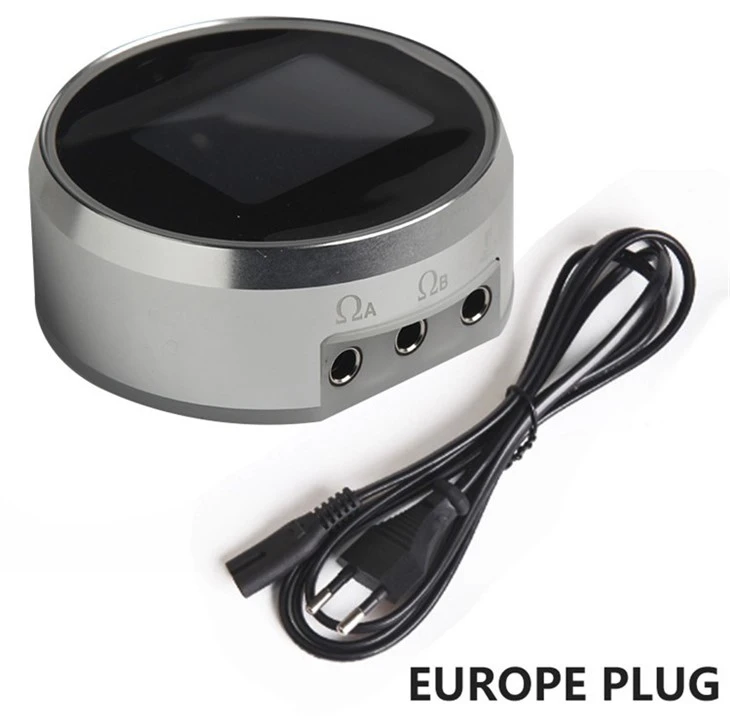

If a Mini Tattoo Power Supply is designed for a specific voltage and is used in a country with a different voltage, it can lead to several issues. A lower voltage than the device is rated for may cause it to underperform, resulting in inconsistent needle movement and poor tattoo quality. On the other hand, a higher voltage can damage the power supply, potentially rendering it useless and posing a safety hazard.
However, many modern Mini Tattoo Power Supplies are designed to be multi - voltage. These power supplies can automatically adjust to different voltage inputs within a certain range, typically from 100V to 240V. This feature makes them highly versatile and suitable for use in a wide range of countries. When sourcing a Mini Tattoo Power Supply, look for the multi - voltage specification. For instance, our Aurota Tattoo Power Supply is a multi - voltage device, allowing tattoo artists to use it in different countries without worrying about voltage compatibility.
Plug Types
In addition to voltage, plug types also vary from country to country. A Mini Tattoo Power Supply may come with a plug that is suitable for one country but not for another. For example, the UK uses a three - pronged rectangular plug, while the US uses a two - or three - pronged flat plug.
To use a Mini Tattoo Power Supply in a different country, you may need to use a plug adapter. A plug adapter simply changes the shape of the plug to fit into the electrical outlet of the host country. It's important to note that a plug adapter does not convert the voltage. So, if your power supply is not multi - voltage, you'll still need to use a voltage converter in addition to the plug adapter.
When traveling with a Mini Tattoo Power Supply, it's a good idea to carry a universal plug adapter. This type of adapter can be adjusted to fit most common plug types around the world, ensuring that you can easily connect your power supply to the local electrical outlets.
Safety Regulations
Each country has its own set of safety regulations for electrical devices, including Mini Tattoo Power Supplies. These regulations are in place to protect users from electrical shocks, fires, and other hazards. When using a Mini Tattoo Power Supply in a different country, it's essential to ensure that the device complies with the local safety standards.
Some countries require electrical devices to have specific certifications before they can be sold or used. For example, in the European Union, electrical products must carry the CE mark, indicating that they meet the relevant safety, health, and environmental protection requirements. In the United States, products may need to be UL (Underwriters Laboratories) listed.
As a supplier, we ensure that our Mini Tattoo Power Supplies, such as the Led Digital Tattoo Power Supply and Lcd Display Tattoo Power Supply, comply with international safety standards. This gives our customers the confidence to use our products in different countries without having to worry about safety issues.
Frequency Considerations
While voltage and plug types are the most commonly discussed factors, the frequency of the electrical supply can also have an impact on the performance of a Mini Tattoo Power Supply. Most modern power supplies are designed to work with both 50Hz and 60Hz frequencies, so this is less of an issue in practice. However, in some cases, a power supply that is sensitive to frequency changes may experience minor performance fluctuations.
If you're using a Mini Tattoo Power Supply in a country with a different frequency than it was originally designed for, and you notice any performance issues, it's advisable to consult the manufacturer or a professional electrician.
Maintenance and Support
When using a Mini Tattoo Power Supply in different countries, it's also important to consider the availability of maintenance and support. In case the power supply malfunctions, you'll need to be able to get it repaired or replaced. As a supplier, we offer global support for our products. We have a network of authorized service centers around the world, ensuring that our customers can get timely assistance no matter where they are.
Conclusion
In conclusion, a Mini Tattoo Power Supply can be used in different countries, but several factors need to be considered. Voltage compatibility is the most critical factor, and choosing a multi - voltage power supply can simplify the process of using it internationally. Plug types can be easily addressed with a plug adapter, and ensuring compliance with local safety regulations is essential for the safety of the user.
If you're a tattoo artist looking for a reliable and versatile Mini Tattoo Power Supply that can be used in different countries, we have a range of products to meet your needs. Our Aurota Tattoo Power Supply, Led Digital Tattoo Power Supply, and Lcd Display Tattoo Power Supply are all designed with international use in mind.
If you're interested in purchasing our Mini Tattoo Power Supplies or have any questions, please feel free to reach out to us. We're always happy to assist you in finding the right product for your needs.
References
- Electrical Safety Standards: International Electrotechnical Commission (IEC)
- Plug and Socket Types: World Plugs Database
- Tattoo Equipment Industry Reports