

Are there any limitations to using standard tattoo needles?
As a supplier of standard tattoo needles, I've had the privilege of engaging with numerous tattoo artists over the years. Through these interactions, I've gained valuable insights into the benefits and limitations of standard tattoo needles. In this blog post, I'll delve into the potential limitations of using standard tattoo needles, offering a comprehensive perspective for both artists and enthusiasts.
1. Design Constraints
Standard tattoo needles come in a variety of configurations, such as round liners, round shaders, and magnum needles. While these designs are suitable for a wide range of tattooing techniques, they may not always meet the specific needs of every artist or tattoo style. For instance, some modern tattoo styles, like geometric or dot - work tattoos, require a high level of precision and control that standard needle designs may not provide.
The spacing and arrangement of needles in standard configurations are often optimized for general use. However, for artists working on detailed or intricate designs, the fixed needle patterns can be a hindrance. They may not allow for the fine - tuned adjustments needed to create sharp lines or smooth gradients. In such cases, custom - made needles might be a better option, as they can be tailored to the exact requirements of the artist and the tattoo.
2. Inconsistent Performance
One of the limitations of standard tattoo needles is the potential for inconsistent performance. Even though manufacturers adhere to strict quality control measures, there can still be slight variations in needle sharpness, flexibility, and ink flow. These inconsistencies can lead to uneven results in the tattoo, such as patchy shading or inconsistent line thickness.
Factors like the manufacturing process, the quality of the raw materials, and the handling during packaging can all contribute to these variations. For example, if the needles are not properly heat - treated during manufacturing, they may become dull more quickly, resulting in a less clean and precise tattoo. Artists may find themselves having to adjust their techniques more frequently to compensate for these inconsistencies, which can be time - consuming and frustrating.
3. Limited Compatibility with Certain Skin Types
Standard tattoo needles are designed to work on a wide range of skin types. However, they may not be equally effective on all skin textures and conditions. For instance, individuals with thick or tough skin may require a stronger and more robust needle to penetrate the skin effectively. On the other hand, those with thin or sensitive skin may be more prone to skin damage or scarring when using standard needles.
The needle size and gauge also play a crucial role in skin compatibility. A standard needle that works well for medium - thickness skin may be too large or too small for other skin types. This can lead to issues such as excessive bleeding, poor ink retention, or an uneven tattoo appearance. Artists may need to experiment with different needle sizes and types to find the best fit for their clients' skin, which can be a trial - and - error process.
4. Hygiene Concerns
While most standard tattoo needles are Sterilized Standard Tattoo Needle before packaging, there is still a risk of contamination if the needles are not handled properly. Once the packaging is opened, the needles are exposed to the environment, and there is a chance of them coming into contact with bacteria or other contaminants.
In addition, some standard needles may not be Disposable Standard Tattoo Needle, which means they need to be reused after proper sterilization. Reusing needles increases the risk of cross - contamination if the sterilization process is not carried out correctly. This can pose a serious health risk to both the tattoo artist and the client, including the transmission of blood - borne diseases such as hepatitis and HIV.
5. Cost - Benefit Ratio
For some tattoo artists, especially those who are just starting out or working on a tight budget, the cost of using standard tattoo needles can be a limitation. While standard needles are generally more affordable than custom - made or premium needles, the need to constantly replace them due to wear and tear can add up over time.
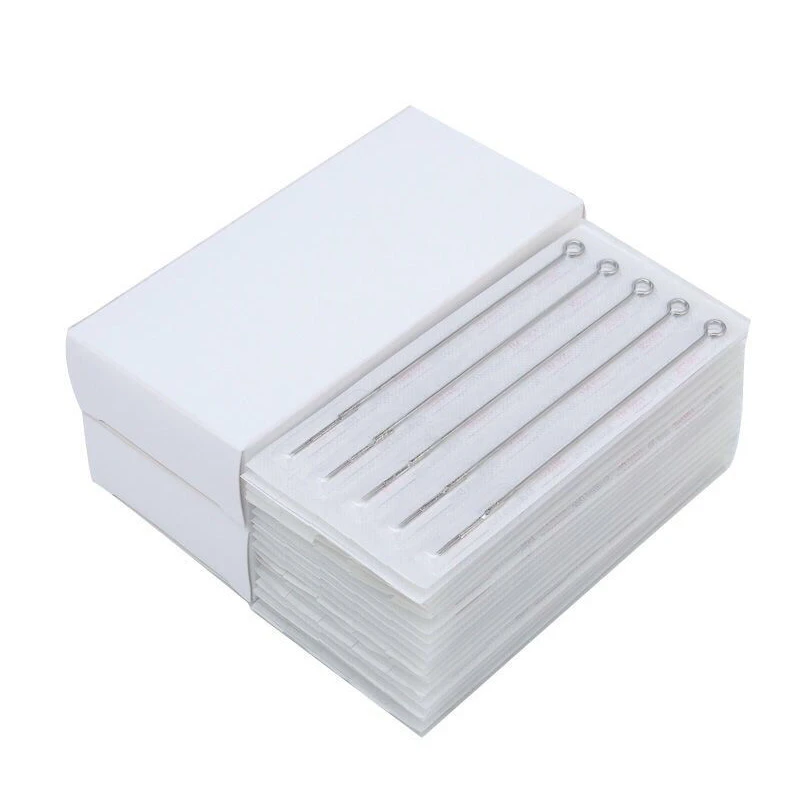

Moreover, if the needles do not perform as expected, artists may end up wasting time and materials trying to achieve the desired results. This can increase the overall cost of the tattooing process, both in terms of the cost of the needles and the additional time spent on each tattoo. In such cases, artists may need to carefully consider the cost - benefit ratio and decide whether investing in higher - quality or more specialized needles is a more cost - effective option in the long run.
6. Limited Innovation
The design of standard tattoo needles has remained relatively unchanged for many years. While there have been some improvements in materials and manufacturing techniques, the basic concept of the needle configurations has not evolved significantly. This lack of innovation can limit the creative possibilities for tattoo artists who are looking to push the boundaries of traditional tattooing.
Newer tattooing techniques and styles are constantly emerging, and standard needles may not be able to keep up with these advancements. For example, the growing popularity of 3D tattoos and micro - tattoos requires needles that can create more complex and detailed effects. Without continuous innovation in needle design, artists may find it difficult to fully realize their creative visions.
Conclusion
Despite these limitations, standard tattoo needles still have their place in the tattooing industry. They are widely available, relatively affordable, and suitable for a variety of tattooing applications. However, it's important for tattoo artists to be aware of these limitations and to consider alternative options when necessary.
At our company, we understand the challenges that artists face when using standard tattoo needles. That's why we also offer Premium Standard Tattoo Needle that are designed to minimize these limitations. Our premium needles are made from high - quality materials, undergo rigorous quality control, and are available in a range of innovative designs to meet the diverse needs of modern tattoo artists.
If you're interested in learning more about our standard and premium tattoo needles or would like to discuss your specific requirements, we encourage you to reach out to us. We're always happy to engage in a conversation about how we can help you achieve the best results in your tattooing work. Whether you're a seasoned professional or just starting your tattooing journey, we're here to support you.
References
- Smith, J. (2018). The Art and Science of Tattooing. New York: Tattoo Press.
- Johnson, A. (2019). Advances in Tattoo Needle Technology. Journal of Tattoo Research, 12(3), 45 - 52.
- Brown, C. (2020). Skin Compatibility in Tattooing. Dermatology Today, 25(2), 78 - 85.