

Hey there, fellow tattoo enthusiasts and artists! I'm a supplier of Tattoo Cartridges Needles, and today I want to dig into a topic that's been on my mind lately: Are there any environmental impacts of using tattoo cartridges needles?
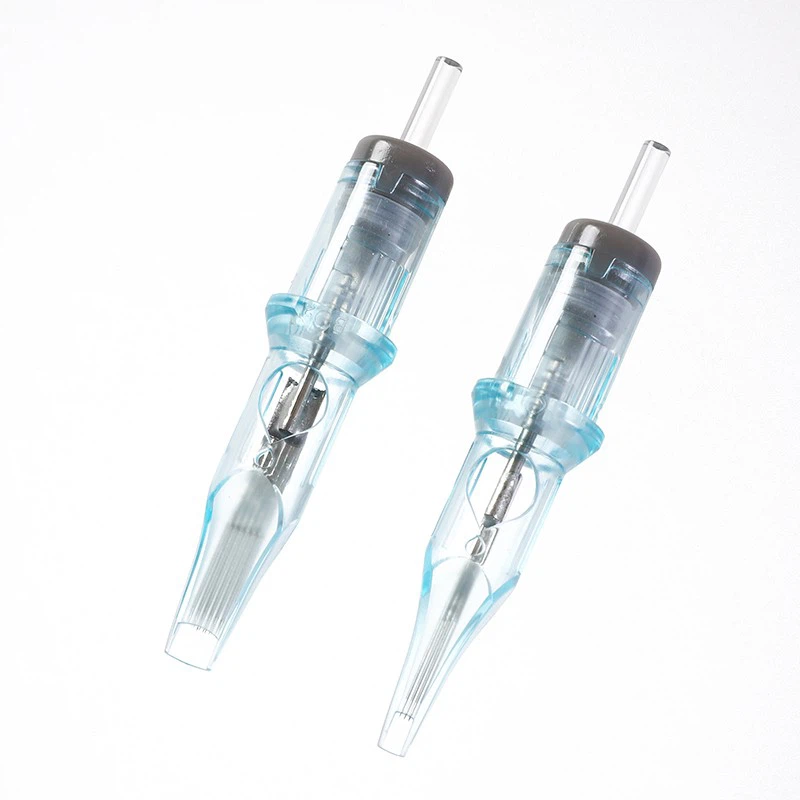
Let's start by understanding what tattoo cartridges needles are. For those who aren't in the know, Tattoo Cartridge Needles are pre - sterilized, disposable needles that come in a cartridge. They're super convenient for tattoo artists as they reduce the setup time and make the tattooing process more hygienic. There are different sizes available, like Large Size Tattoo Needle Cartridges and Big Size Tattoo Needle Cartridges, each serving a specific purpose in the tattooing world.
Material Usage and Waste Generation
One of the most obvious environmental aspects to consider is the material used in making these needles and the waste they generate. Tattoo cartridges needles are typically made of stainless steel for the needles and plastic for the cartridges. Stainless steel is a durable and long - lasting material, but the extraction and processing of it require a significant amount of energy. Mining for the raw materials, like iron ore, nickel, and chromium, involves large - scale operations that can cause habitat destruction, soil erosion, and water pollution.
The plastic used in the cartridges is often single - use. Once the needle is used, the whole cartridge is disposed of. With the increasing popularity of tattoos, the amount of plastic waste from these cartridges is piling up. Plastic takes hundreds of years to decompose in landfills, and if it ends up in the ocean, it can harm marine life. Animals might mistake the small plastic pieces for food, leading to ingestion and potentially death.
Energy Consumption in Production
The production of tattoo cartridges needles also consumes a lot of energy. The manufacturing process includes melting the stainless steel, shaping the needles, and molding the plastic cartridges. Factories use large amounts of electricity and fuel to power their machinery. This energy often comes from non - renewable sources like coal, oil, and natural gas. Burning these fossil fuels releases greenhouse gases such as carbon dioxide, methane, and nitrous oxide into the atmosphere. These gases trap heat, leading to global warming and climate change.
Chemicals and Disposal
Another concern is the chemicals used in the production and sterilization of tattoo cartridges needles. During the manufacturing process, various chemicals are used for cleaning, polishing, and treating the materials. These chemicals can be harmful to the environment if not properly disposed of. For example, some of the cleaning agents might contain heavy metals or toxic substances that can contaminate soil and water sources.
Sterilization is crucial for tattoo needles to prevent the spread of diseases. Common sterilization methods include autoclaving, which uses high - pressure steam, and chemical sterilization using agents like ethylene oxide. While autoclaving is relatively environmentally friendly, ethylene oxide is a known air pollutant and a potential human carcinogen. Improper handling and disposal of these chemicals can have serious environmental and health consequences.
Possible Solutions
Now, the question is, what can we do to reduce the environmental impacts of using tattoo cartridges needles?
Recycling
One option is to encourage recycling. Stainless steel is highly recyclable, and recycling it requires less energy compared to producing new steel. We could set up recycling programs for used needles. Plastic cartridges can also be recycled in some cases, but it depends on the type of plastic. By educating tattoo artists and studios about recycling options, we can divert a significant amount of waste from landfills.
Biodegradable Materials
Another solution is to explore the use of biodegradable materials. Some companies are already working on developing biodegradable plastics for the cartridges. These materials break down much faster in the environment, reducing the long - term waste problem. However, there are still challenges to overcome, such as ensuring the durability and sterility of these materials.
Energy - Efficient Production
Manufacturers can also focus on making their production processes more energy - efficient. This could involve using renewable energy sources like solar or wind power in factories. Additionally, optimizing the manufacturing process to reduce energy consumption can make a big difference.
Our Role as a Supplier
As a supplier of tattoo cartridges needles, we have a responsibility to address these environmental concerns. We're constantly looking for ways to make our products more sustainable. We're in talks with manufacturers to encourage the use of recycled materials and more energy - efficient production methods. We also plan to start an education campaign for our customers, providing them with information on recycling and proper disposal of our products.
If you're a tattoo artist or a studio owner, you can play a part too. By choosing more sustainable options and being mindful of how you dispose of used needles and cartridges, you can help reduce the environmental impact of the tattoo industry.

Conclusion
In conclusion, there are indeed environmental impacts associated with using tattoo cartridges needles. From material usage and waste generation to energy consumption and chemical disposal, there are multiple areas where the industry can improve. But the good news is that there are solutions available. By working together - as suppliers, manufacturers, artists, and consumers - we can make the tattoo industry more environmentally friendly.
If you're interested in learning more about our sustainable tattoo cartridges needles or want to discuss a potential purchase, feel free to reach out. We're always open to new partnerships and are eager to help you find the best products for your tattooing needs.
References
- EPA (Environmental Protection Agency). (2023). Solid Waste Management and Recycling.
- UNEP (United Nations Environment Programme). (2023). Global Waste Management Outlook.
- Journal of Environmental Science and Technology. (2022). "The Environmental Impact of Single - Use Medical Devices".